
Steps & Checks was created for women, particularly from ethnically diverse communities, who face barriers to walking alone or accessing existing walking groups due to safety concerns, lack of representation, timing, or cultural norms.
Why was your Initiative created?
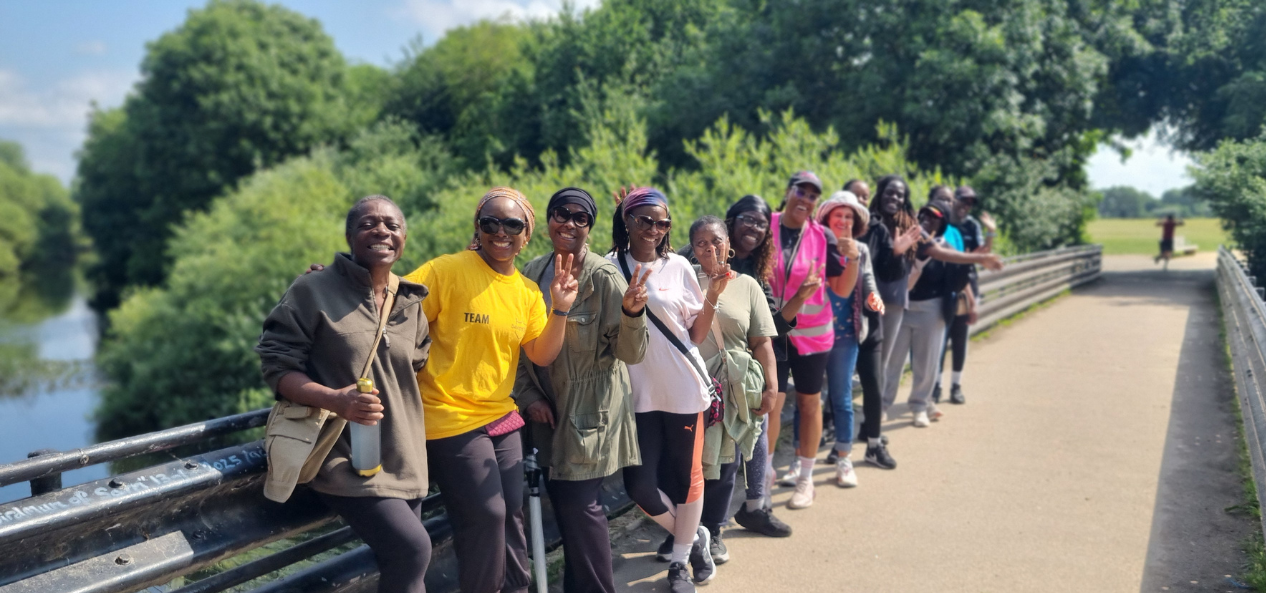
Steps & Checks is an initiative created by Lbs 4 Peace CIC, inspired by the founder, Jessica Apaloo’s love of recreational walking for wellness. Although fortunate to live in a borough with many walking groups, Jessica noticed that most took place at inaccessible times and that very few participants looked like her or reflected the diversity of the local community.
This was something she observed more broadly whenever she entered walking spaces. Women she met at the school gate beside the park would often see her heading out for a walk and ask to join or enquire where she was going.
Many shared that they enjoyed walking but would not go alone due to safety concerns and because, culturally, it was not seen as the norm.
Jessica experienced the holistic benefits of walking firsthand, improving both mental and physical wellbeing while also creating opportunities to connect, talk, and check in with others in the community.
Through these conversations and experiences, she recognised a clear barrier for women, particularly those from ethnically diverse communities, in accessing safe, welcoming, and relatable walking spaces.
Steps & Checks was created to change that, encouraging women to get their steps in while checking in on one another through community, movement, and wellness.
How did you understand what people wanted?
Jessica first recognised there was a gap in local walking provision through her own lived experience. Most walking groups took place during daytime or working hours, with limited options available on weekends and evenings.
The groups also tended to be geared towards older adults, with little representation from younger women or women from ethnically diverse backgrounds.
To better understand whether others felt the same, Jessica applied for a local walking and cycling community fund to pilot a 12-week Saturday morning walking group specifically for women from ethnically diverse communities.
Ahead of the pilot, conversations took place with women on the street and at local community activities to understand what would make them feel comfortable and encouraged to join.
The feedback consistently highlighted similar barriers. Many women shared that they were unaware of the green spaces available locally, would not feel comfortable walking alone, and found that existing walking groups took place during working hours.
Others expressed that the people attending existing groups did not reflect them or their communities.
The success of the pilot confirmed that there was a real demand for accessible, welcoming walking spaces where women felt represented, safe, and connected.
Much of the feedback mirrored Jessica’s own experiences, reinforcing the importance and need for Steps & Checks.
How did you promote your activities?
We promoted Steps & Checks through a mixture of strategic partnerships, grassroots outreach, and community collaboration. Key alliances were built with the local council and Ramblers, who both supported us through training and by listing our walks on their platforms, helping increase visibility.
However, what proved most effective for reaching the women we wanted to engage was direct community outreach. We connected with local organisations, community groups, churches, schools, and businesses to spread the word in spaces where women already felt comfortable and connected. Being present in the community and having conversations face to face helped build trust and awareness.
We were also featured in the local newspaper, which helped raise awareness of the initiative more widely. Relationships were developed with social prescribers and local health professionals, who began signposting women to the group as a way of supporting wellbeing, connection, and physical activity.
Collaborating with organisations that shared similar goals around community wellbeing, inclusion, and women’s health also helped us expand our reach and strengthen our impact.
Impact of Steps & Checks
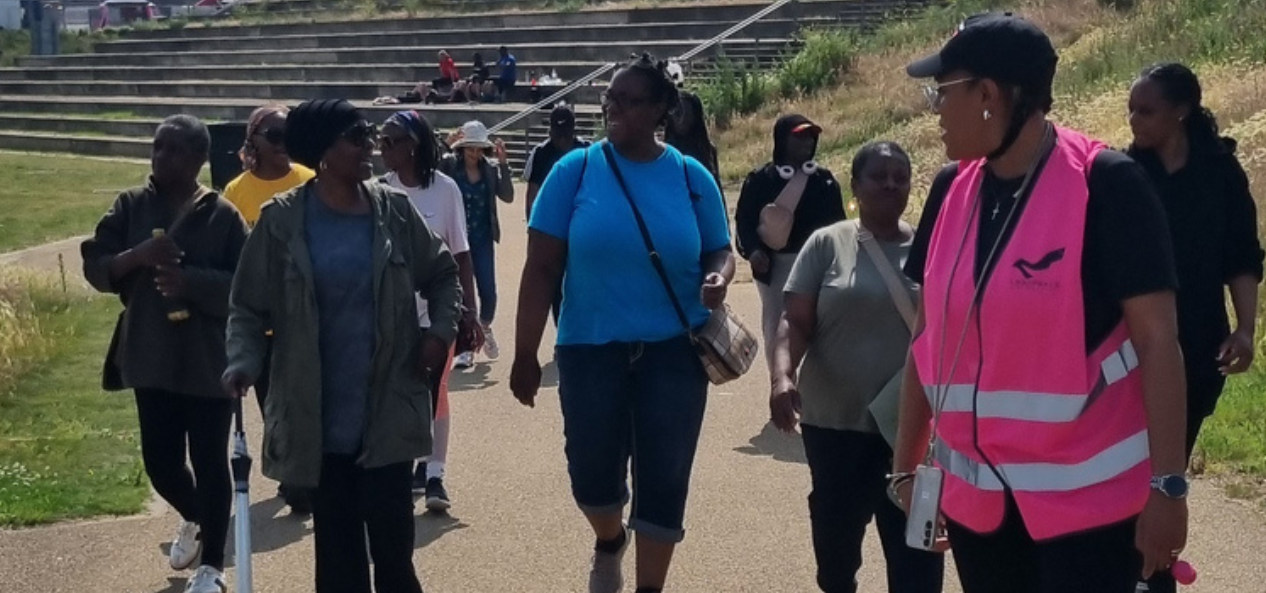
On 1st June 2026, Steps & Checks will celebrate two years of guided walks for women in the community. Since launching, we have delivered a 90-minute guided walk every Saturday, equating to over 9,360 minutes of guided walking dedicated to women’s wellbeing, movement, and connection.
Feedback from participants has consistently shown the positive impact the programme has had on physical activity, confidence, mental wellbeing, and community connection.
From our participant feedback survey:
- 92 percent of women said the programme encouraged them to walk more
- The majority of participants identified as Black, Black British, Caribbean, or African women, reflecting the communities we intentionally aimed to engage
- Women travelled from across Waltham Forest and neighbouring boroughs to attend
- Most participants joined through word of mouth and community outreach, highlighting the importance of trusted relationships and local engagement
- Participants rated the programme highly across areas including walk leadership, communication, routes, discussions, pace, and overall experience.
Women described the programme as:
“A really friendly and welcoming group”
“An opportunity to have adult conversations and connect with women”
“A supportive space to be oneself”
“Community and encouragement come rain or shine”
“Motivating for both physical and mental wellbeing”
Many participants shared that they would not normally walk alone, but felt safe, welcomed, and represented within the group environment. Others spoke about discovering local green spaces for the first time, building confidence, improving consistency with exercise, and forming meaningful social connections.
The impact of Steps & Checks extends beyond walking. It has created a trusted community space where women feel seen, supported, active, and connected.
How have you overcome barriers?
One of the biggest barriers we had to overcome was the weather. Within many of the communities we engage, walking regularly outdoors in all weather conditions is not always the norm. From the beginning, we intentionally created a culture of showing up come rain or shine to reflect the reality of British weather and build consistency and resilience within the group.
This set the tone early that sessions would only be cancelled in the case of official weather warnings, which meant we were able to maintain regularity and reliability for participants.
Another important challenge was staffing and sustainability. Running weekly sessions consistently requires enough support to avoid burnout for facilitators.
We prioritised building a supportive team structure and ensuring our walk facilitators received financial remuneration for their time and skills. This was especially important within the communities we serve, recognising the value of lived experience, community leadership, and equitable opportunities.
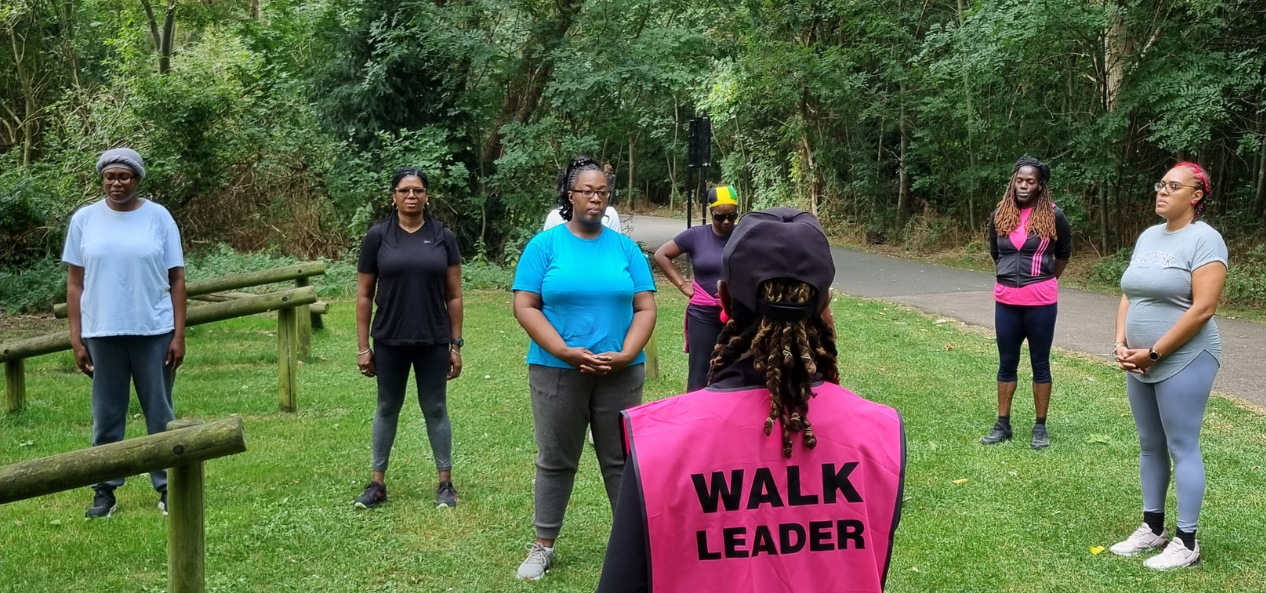
We also wanted to ensure our walk leaders were trained and confident in leading safe, inclusive sessions. To support this, we partnered with larger, established organisations that specialised in walking leadership and community wellbeing.
Through these partnerships, our facilitators were able to access training, guidance, and resources that strengthened the quality and safety of the programme.
What are your plans for the future?
Due to the success of Steps & Checks, and coinciding with our upcoming two-year anniversary, we have recently been awarded additional funding to expand the programme.
This funding will allow us to introduce seasonal evening walking sessions alongside our existing Saturday morning walks, creating more flexible opportunities for women who may not be able to attend weekend sessions.
We are excited about the opportunity to continue growing the initiative while remaining community led and accessible.
As demand continues to increase, we also plan to develop an in-house training programme that will equip members of the group with the skills and confidence to lead their own walking groups within their communities.
Our long-term vision is to create smaller cell groups led by women within their own neighbourhoods and networks, helping to expand the reach and impact of the programme.
By empowering participants to become community leaders themselves, we hope to increase access to safe, inclusive walking spaces and extend the physical, mental, and social wellbeing benefits of Steps & Checks to even more women.
Top Tips for other groups
One of our top tips for other groups wanting to start a similar initiative is to explore the many funding streams available specifically for walking, cycling, and community wellbeing projects. These opportunities can provide far more than just financial support.
For us, the additional value came through access to specialist resources, guidance, training, and established best practice from experienced organisations. This meant we did not have to reinvent the wheel when developing policies, procedures, risk assessments, and delivery models.
Building partnerships with established organisations can help strengthen your programme, increase credibility, and ensure you are delivering safe, inclusive, and sustainable activities from the start.
How does Steps & Checks embody the 'Safe' action area?
Steps & Checks exists because many women, particularly from ethnically diverse communities, do not feel safe or confident walking alone, and existing walking opportunities are often not accessible, representative, or culturally inclusive.
We created a consistent, welcoming group walking space where women can move freely without fear or isolation, supported by collective presence, trusted leadership, and predictable sessions.
By walking together, we remove the barriers of safety concerns, lack of representation, and cultural norms that often prevent women from accessing outdoor physical activity.
Our why is to ensure women feel safe enough to step outside, stay active, and connect with others through walking, while experiencing the physical, mental, and social benefits of movement in a supportive community.